A world-first approach to closed-loop GRP composite manufacturing.
For much of the history of modern infrastructure the equation has been simple: build for durability, optimise for cost and manage replacement when assets reach the end of their life. It is a model that has delivered decades of progress. But it is also a model that is increasingly out of step with the commercial realities now shaping the sector.
Today, circular thinking is no longer an environmental add-on. It is becoming a core commercial discipline.
Infrastructure clients, particularly in rail, utilities and public sector projects, are operating under growing pressure. Carbon accountability is now embedded within procurement frameworks and whole-life cost scrutiny is intensifying. Audit requirements are becoming more rigorous while reputational risk is no longer abstract; it is immediate and measurable.
In this context, materials that cannot demonstrate what happens at end-of-life are becoming commercially exposed.
Circular infrastructure addresses this directly. By designing materials to be fully recycled and reintroduced into the manufacturing process, circular systems remove the uncertainty associated with disposal, future liabilities and carbon reporting. They provide traceability, audit confidence and alignment with evolving procurement standards. In simple terms, they reduce risk. And in the world of infrastructure, reduced risk is a commercial advantage.
This is where Dura is leading the conversation.
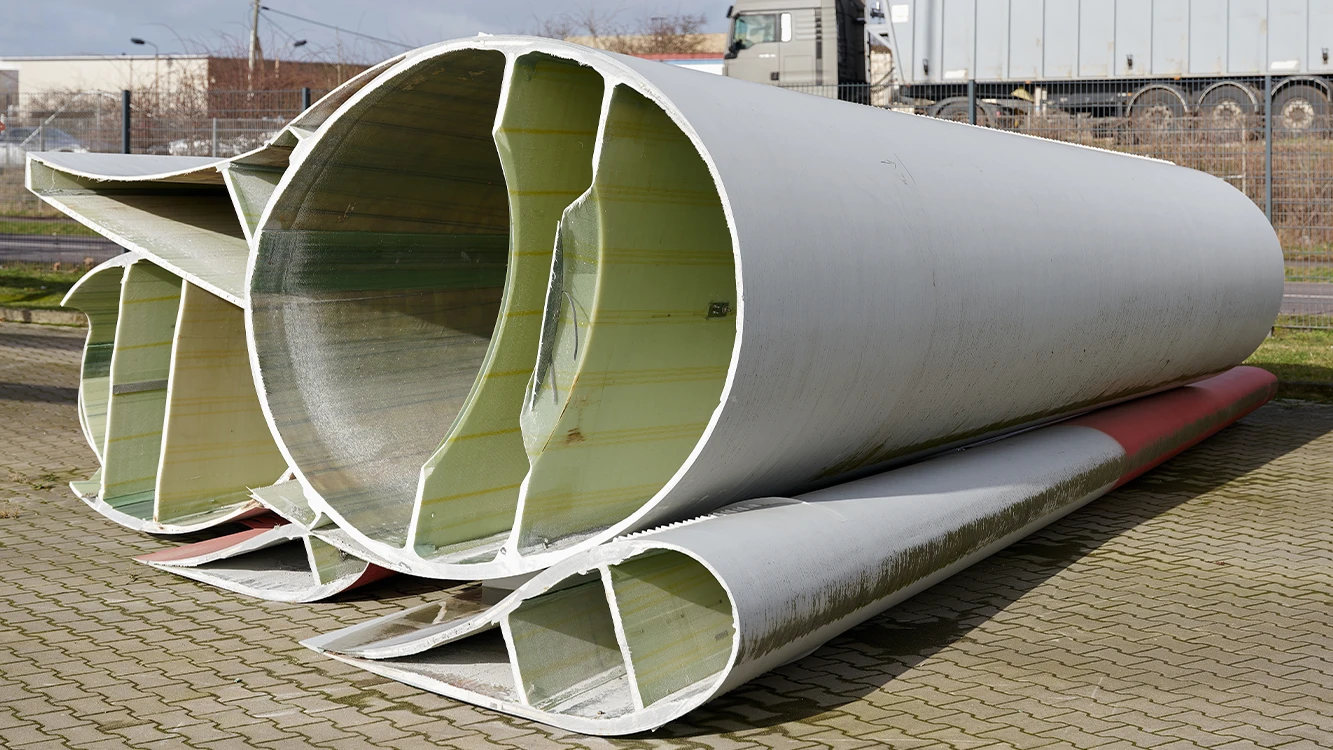
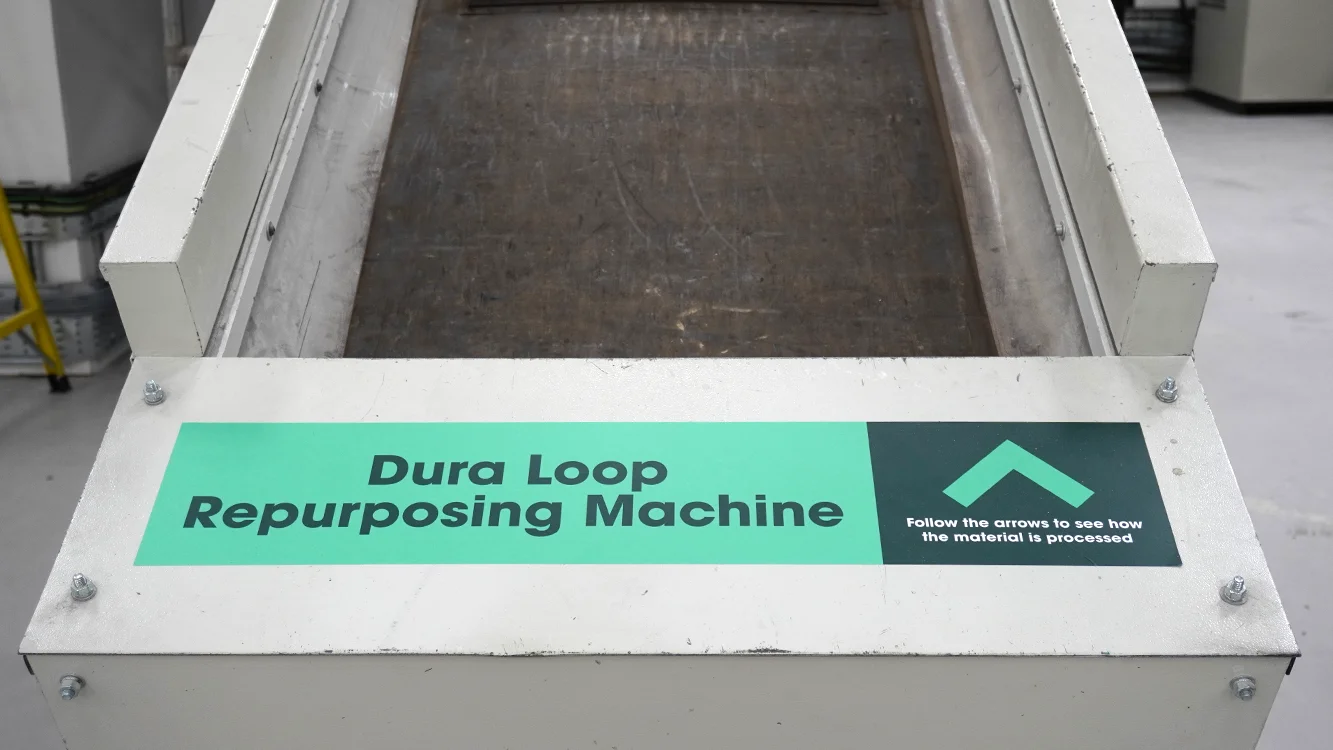
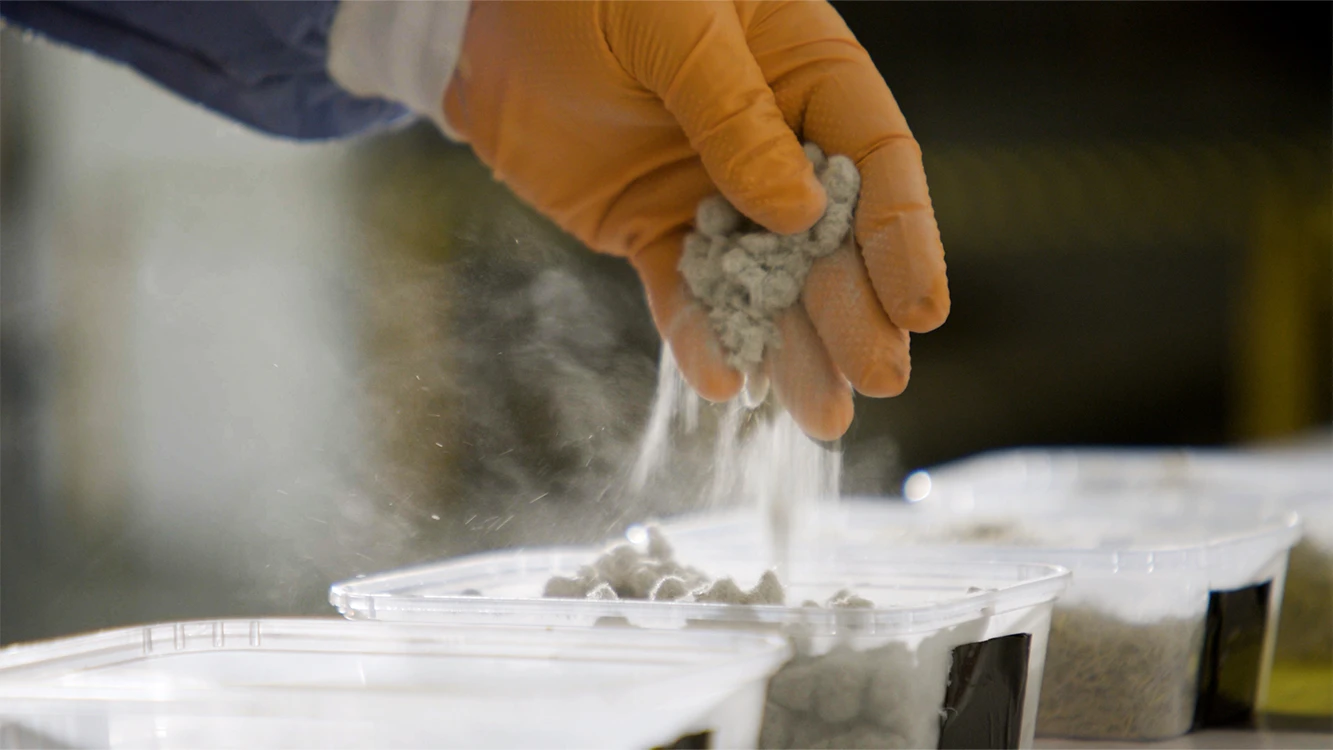
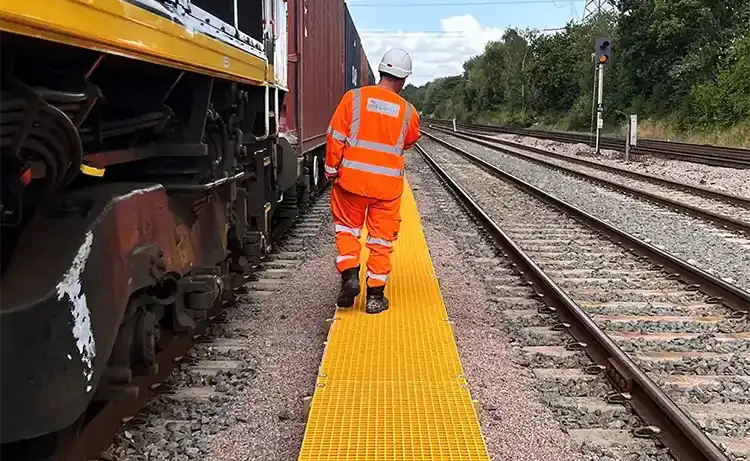
Through its Dura Loop system, the company has developed a world-first approach to closed-loop GRP composite manufacturing. Instead of treating composite materials as a one-life solution, Dura Loop ensures they can be recovered, repurposed and returned to use in new infrastructure applications. The result is a material system that not only delivers long-term performance, but also maintains value beyond its initial installation.
This fundamentally changes the commercial profile of GRP infrastructure.
For contractors and specifiers, it provides a more defensible choice; one that aligns with net-zero targets while standing up to procurement scrutiny. For asset owners, it offers improved lifecycle value and reduced exposure to future disposal costs. For framework managers, it signals forward-thinking, policy-aligned decision-making.
And critically, it does all of this without compromising on the engineering standards that infrastructure demands.
The commercial implications extend even further. Circular materials simplify specification. They strengthen bids by aligning with ESG criteria. They provide a clearer narrative for stakeholders, investors and regulators. In competitive procurement environments, these factors increasingly influence outcomes.
This is the essence of circular infrastructure. It is not about doing less harm. It is about creating systems that deliver more value.
As the industry evolves, the distinction between sustainable and commercially viable solutions is disappearing. Circular thinking is not just about sustainability, it is about competitive edge.
Dura is already operating in that space.