An engineering evolution: from product supplier to infrastructure problem-solver
Some questions in an infrastructure project go way beyond a product list and a datasheet?
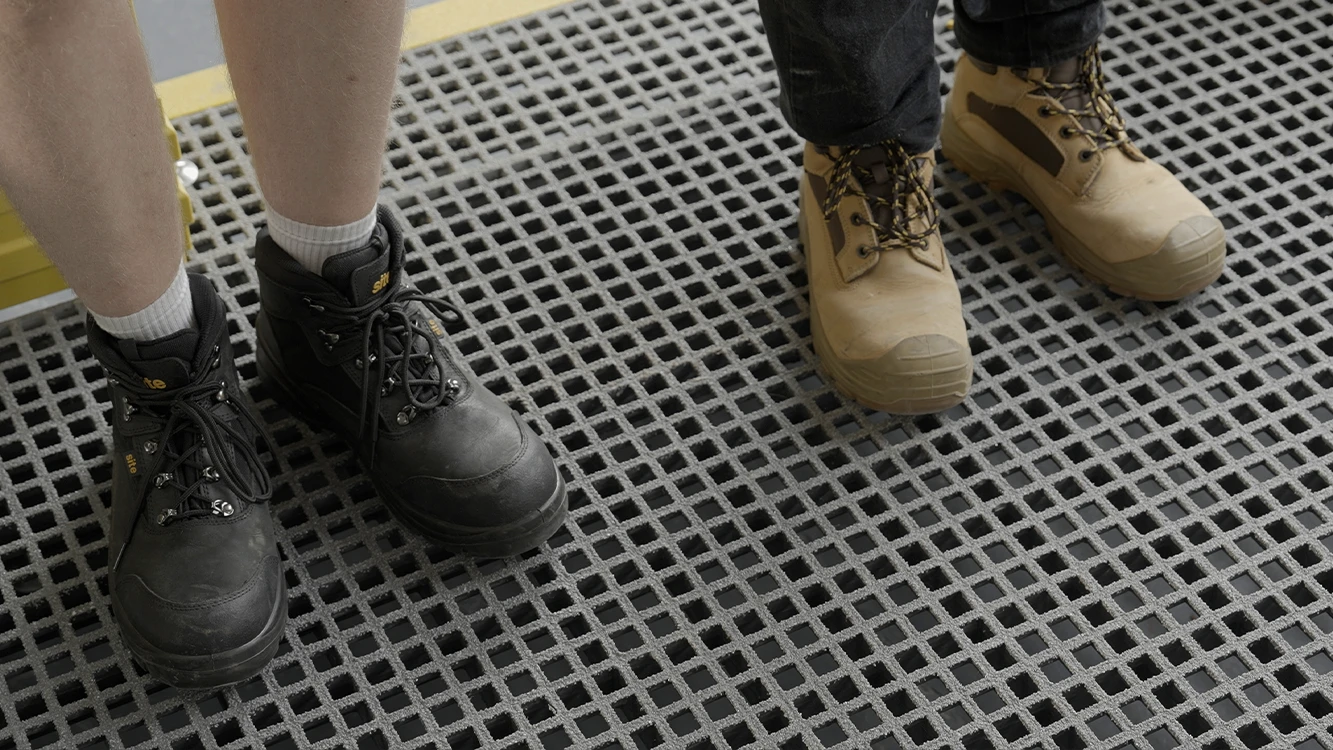
How will a walkway perform under a particular load? What happens after decades in service? Are the fixings appropriate for the supporting structure? Can claims around carbon performance actually be evidenced?
At Dura Composites, these questions are increasingly where the conversation begins.
Over the last 18 months, our Research & Development and Engineering department has more than tripled in size, evolving from a primarily reactive technical-support function into a multidisciplinary team encompassing product development, structural engineering, simulation, materials testing, sustainability assessment and technical problem-solving.
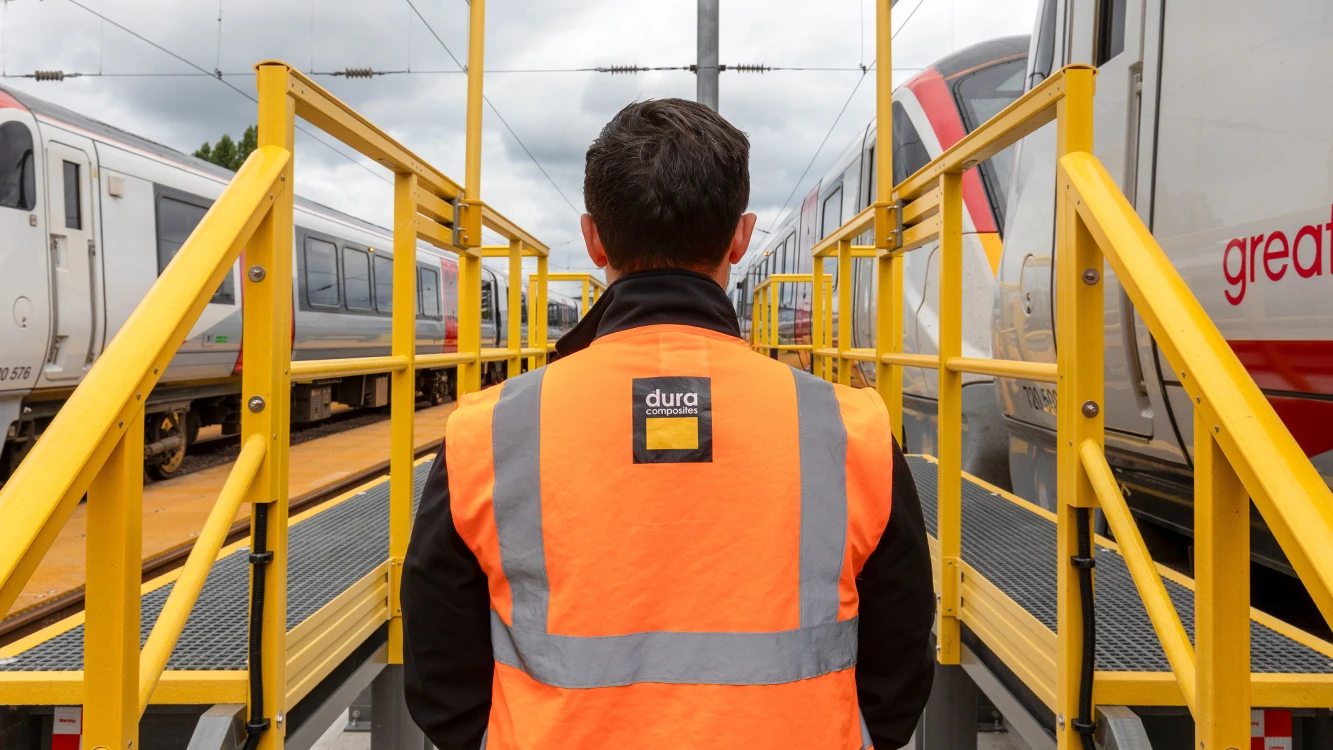
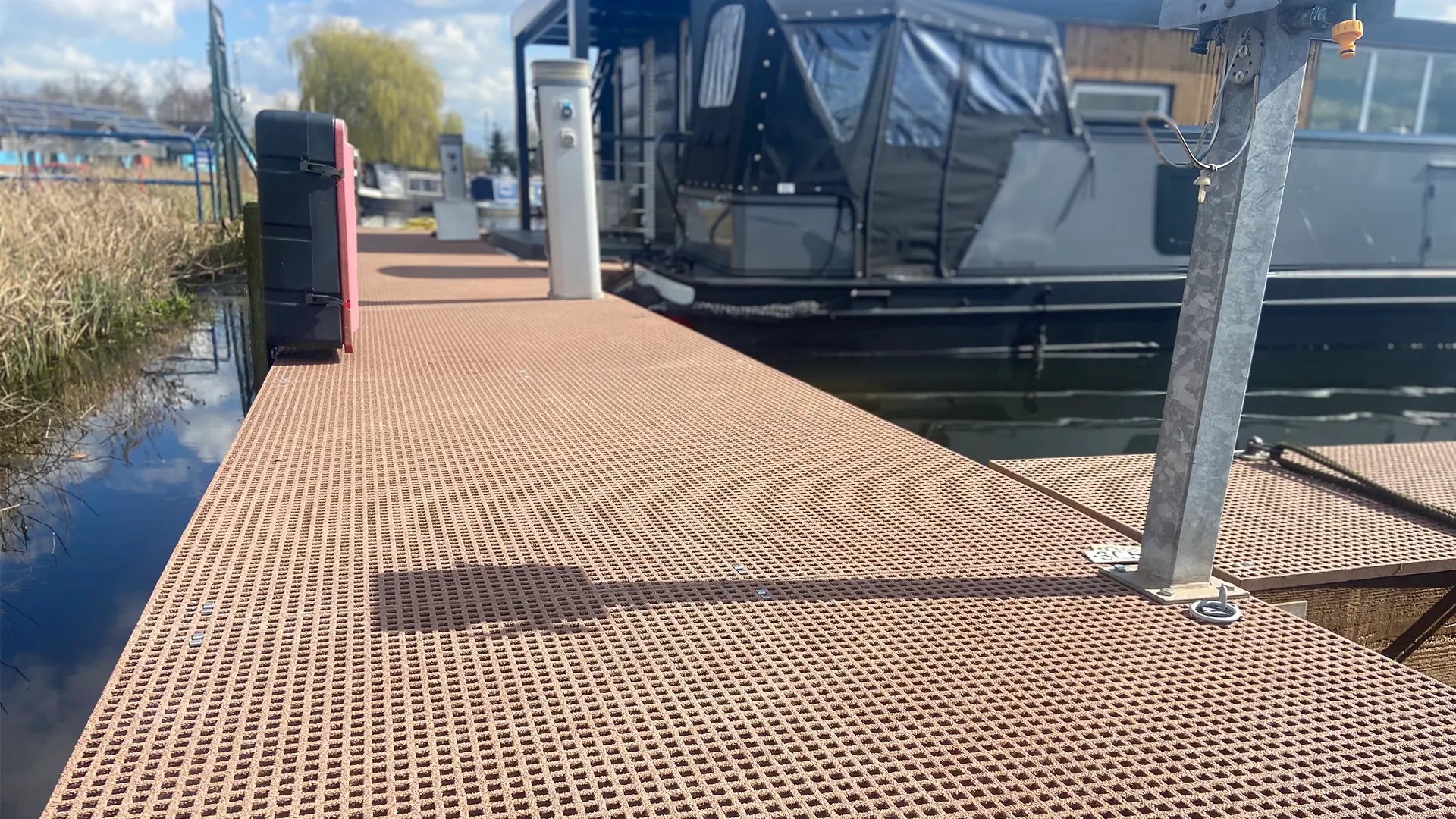
For our customers, that means access to considerably more than high-performance Glass Reinforced Polymer (GRP) products. It means engineering expertise capable of examining the complete application and providing the clarity, accountability and evidence required to make confident specification decisions.
Engineering from the outset
One of the biggest changes has been when our engineers become involved.
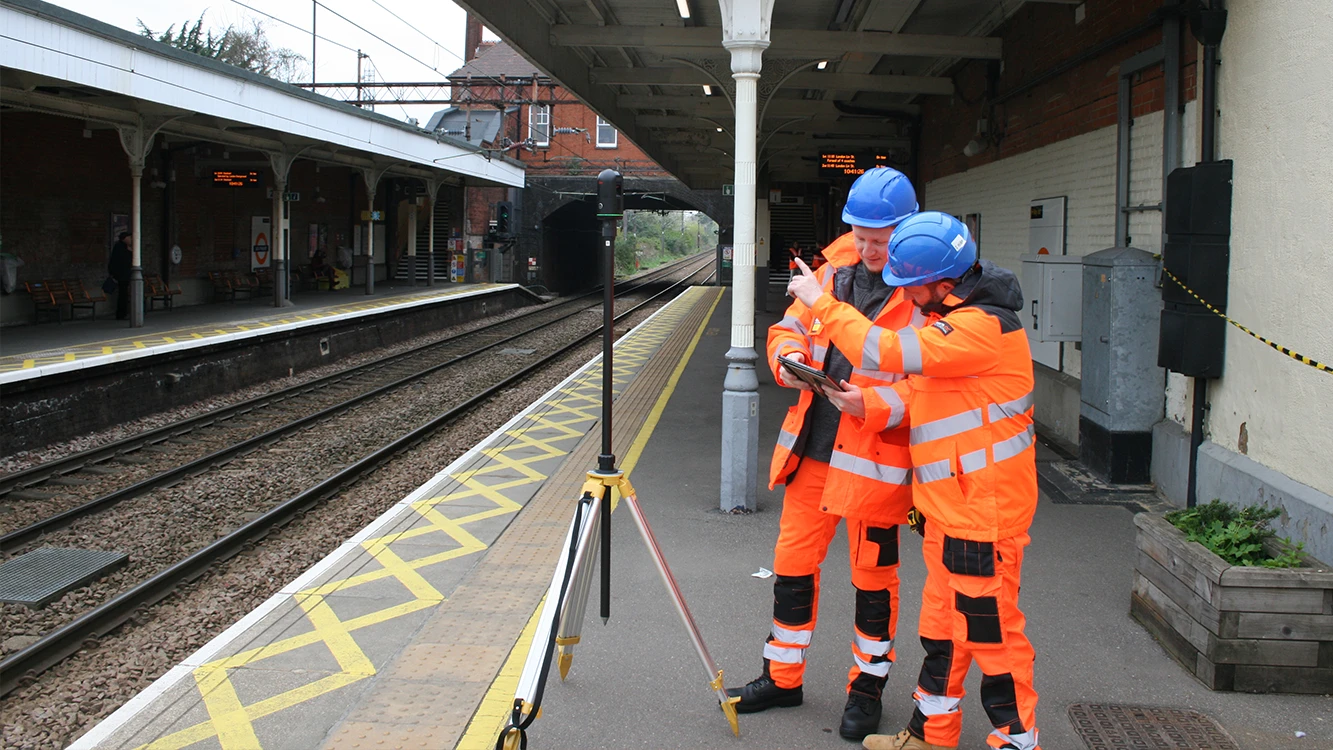
Rather than being asked to validate a solution after development, they are increasingly there before a design even exists. They can establish loading requirements, applicable standards, installation considerations, environmental conditions and the evidence ultimately needed to support specification.
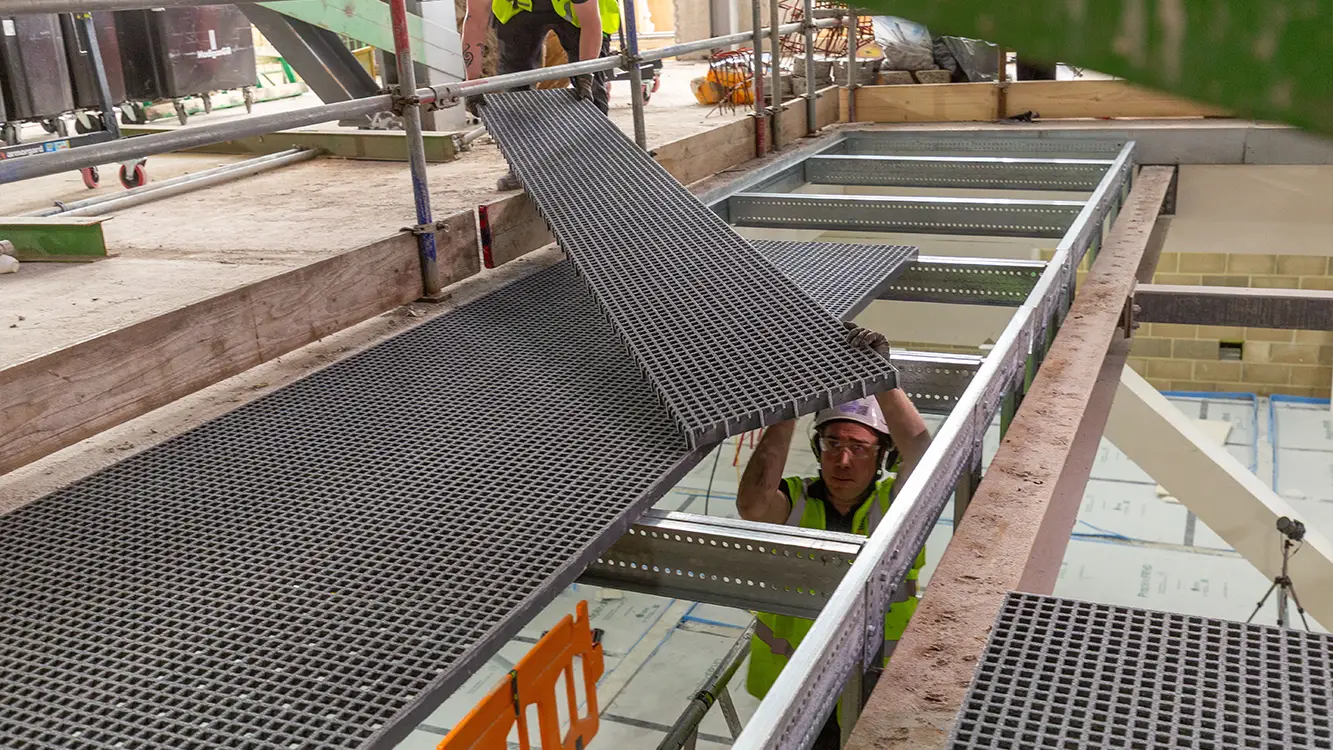
On customer projects, this means working alongside our commercial teams to review drawings, question assumptions and identify potential issues before products reach manufacture or site.
James Sparks, Dura’s Head of Research & Development, explains: “We don’t just supply materials; we supply clarity, accountability and evidence. We consider the complete application, including the support arrangement, loading conditions, fixing method, span, environment and required design life.”
This approach is supported by investment in finite element analysis, structural calculations, simulation software, lifecycle assessment and increasingly sophisticated physical testing.
Building greater testing capability
The next stage of this engineering evolution is already taking shape at our Clacton headquarters.
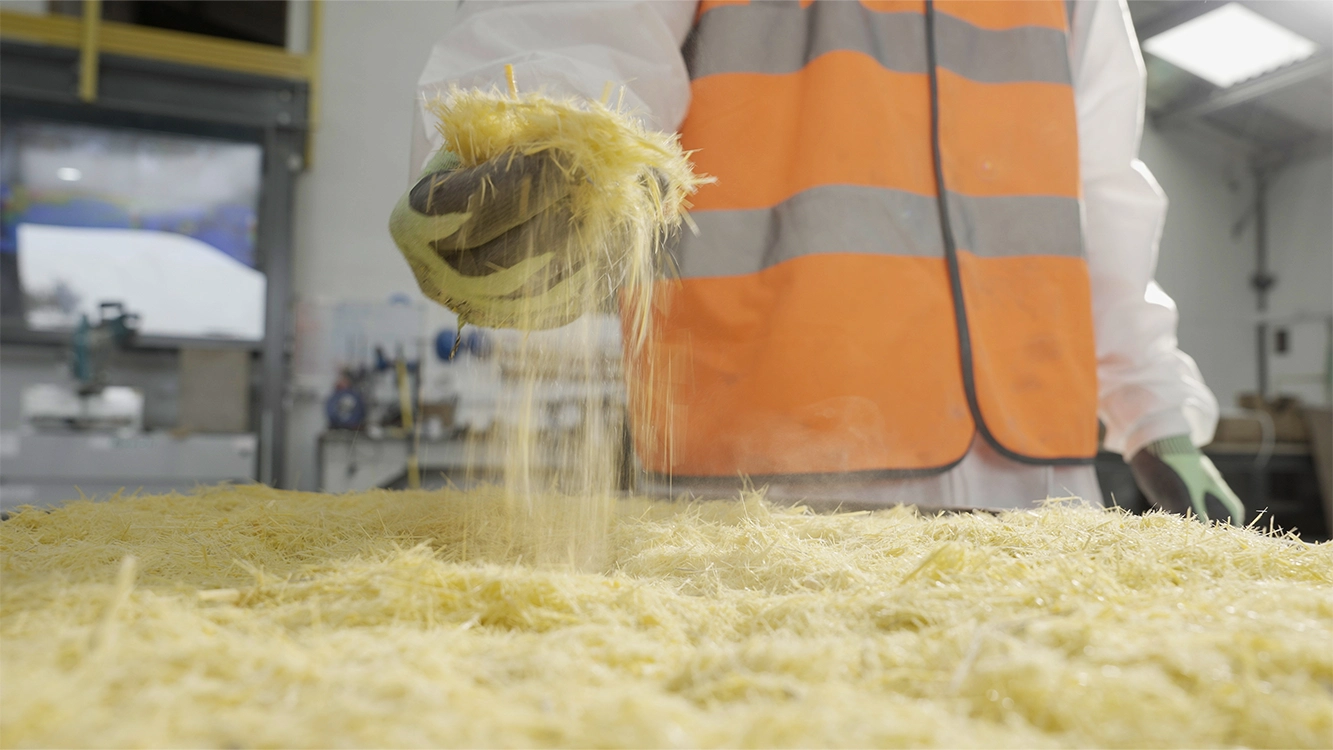
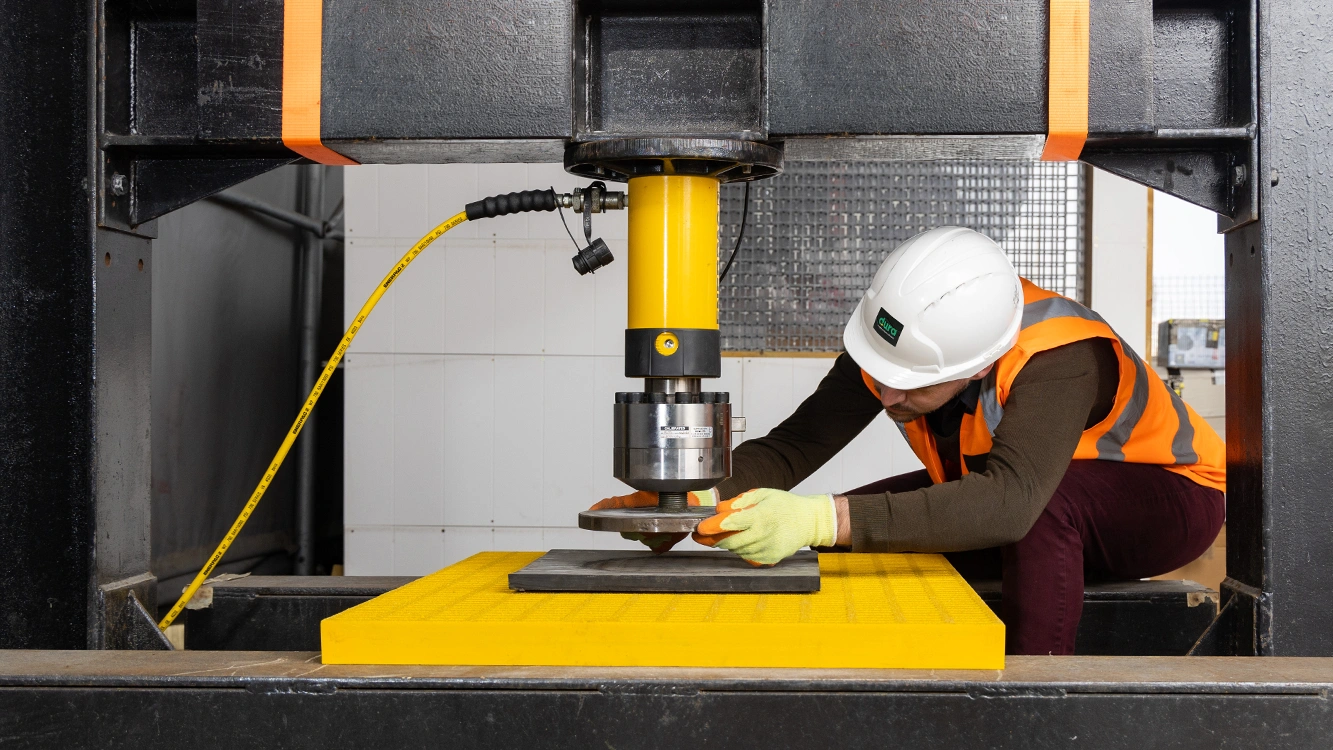
Dura is developing a structured internal laboratory capability for mechanical, material and complete product testing, covering areas including tensile and flexural properties, stiffness, load capacity and deflection. Our longer-term ambition is to progress defined testing activities towards UKAS accreditation.
For James, this is a significant move forward for a future in which combining simulation with physical evidence is critical. James explains: “Simulation does not replace physical testing. It helps us refine the design and develop an effective test programme.”
Engineering a lower-carbon future
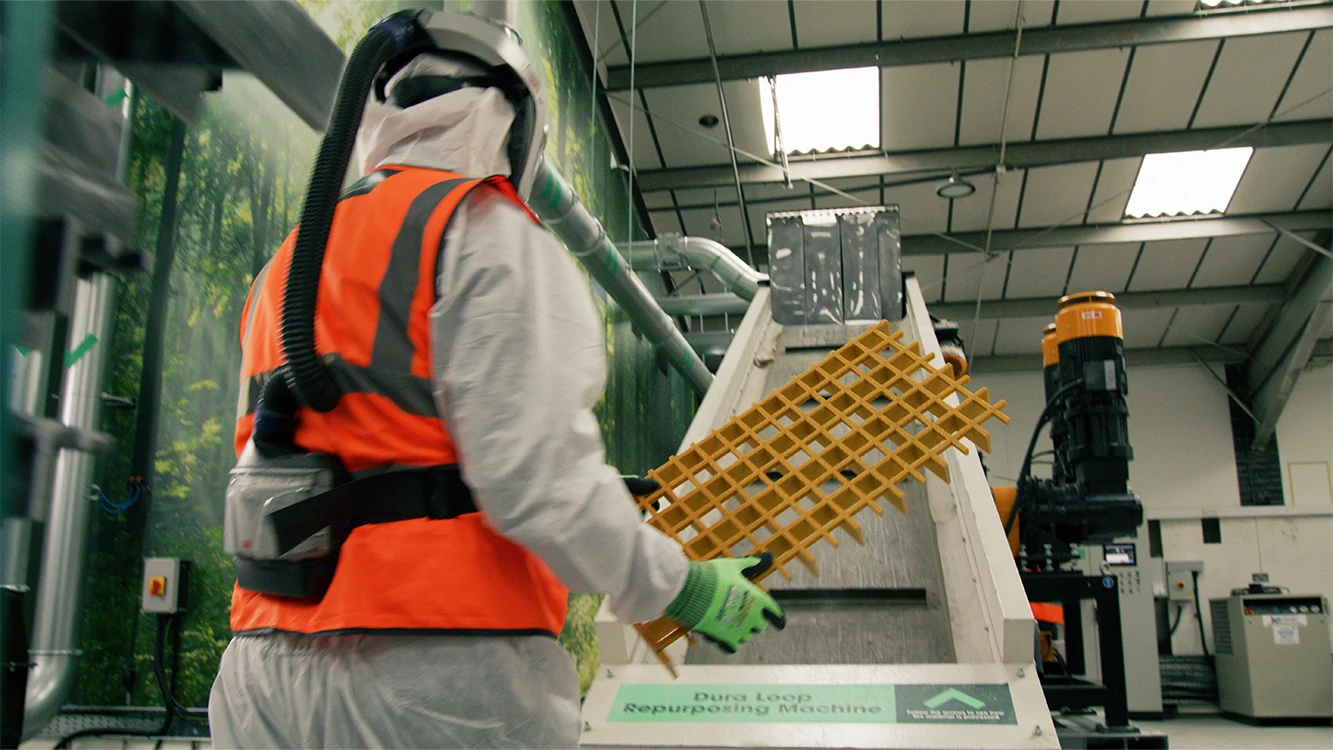
Engineering is also fundamental to Dura’s ambition to manufacture the lowest-carbon walkway systems in the world.
Carbon is increasingly treated as a key design parameter alongside strength, safety, durability and cost. Environmental Product Declarations, lifecycle assessment and tools including One Click LCA allow our engineers to understand how material choices, manufacturing, transport and product lifespan influence embodied carbon.
Importantly, this advanced engineering capability is being developed in Clacton-on-Sea, creating opportunities for highly skilled technical careers while bringing expertise in structural analysis, materials, testing and lower-carbon design to the Essex coast.
“Our ambition isn’t simply to develop and sell better composite products,” adds James. “We want to grow capability, create highly-skilled engineering opportunities locally and lead the innovation of lower-carbon, circular composite materials.”
The products may be what customers see, but at Dura it is the engineering behind those products that makes the unique difference.