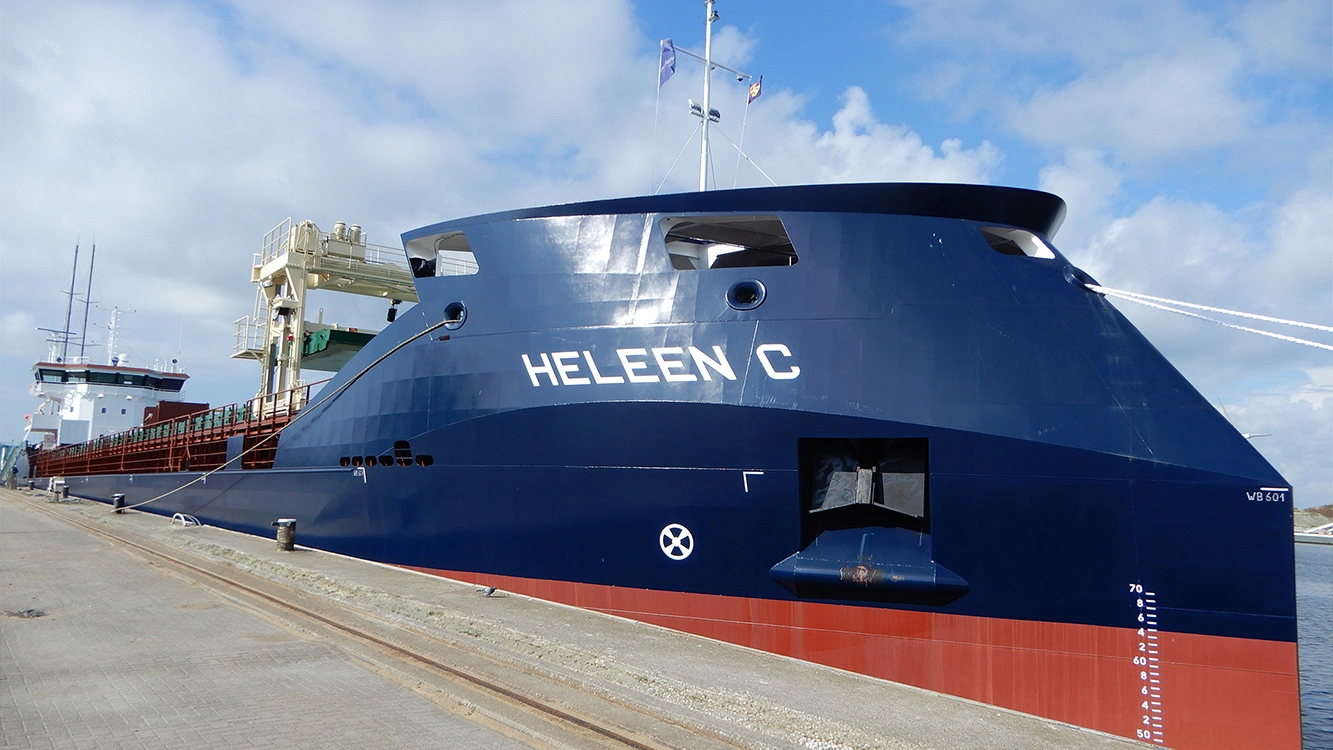
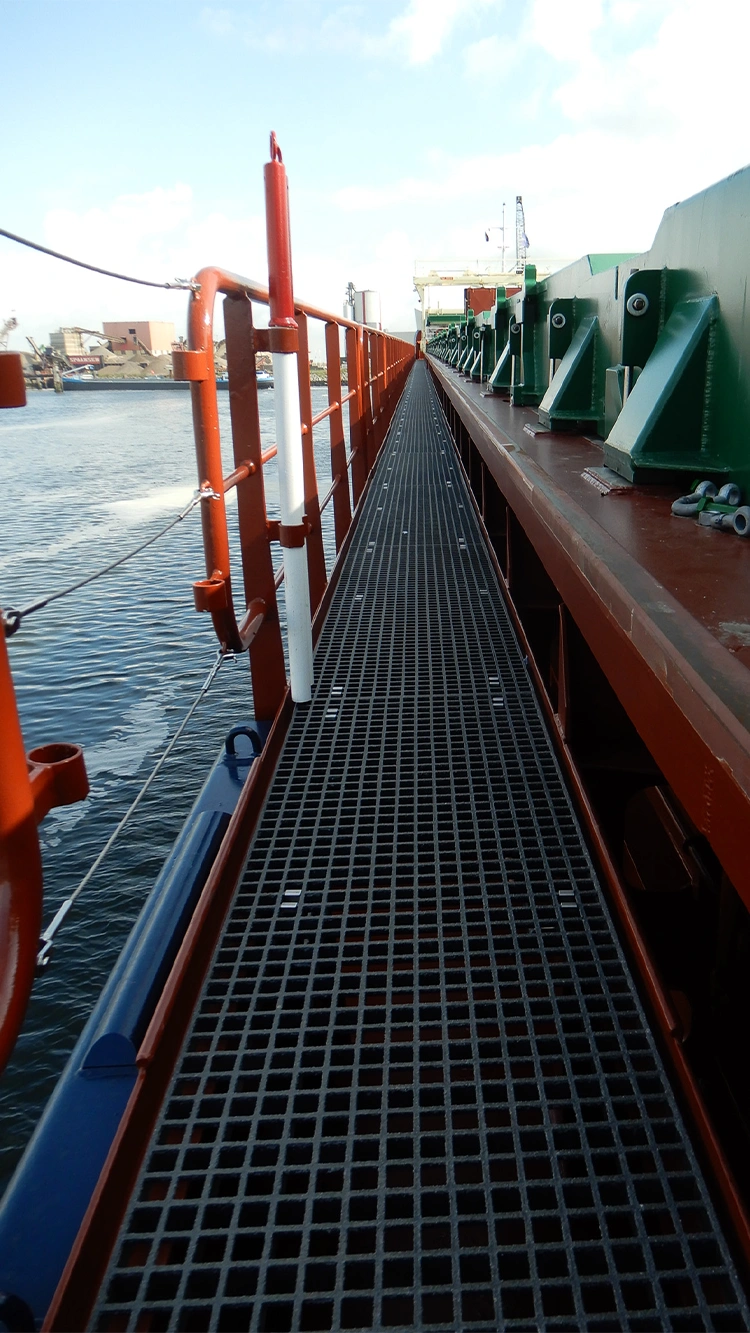
Safer Access in a Demanding Marine Environment
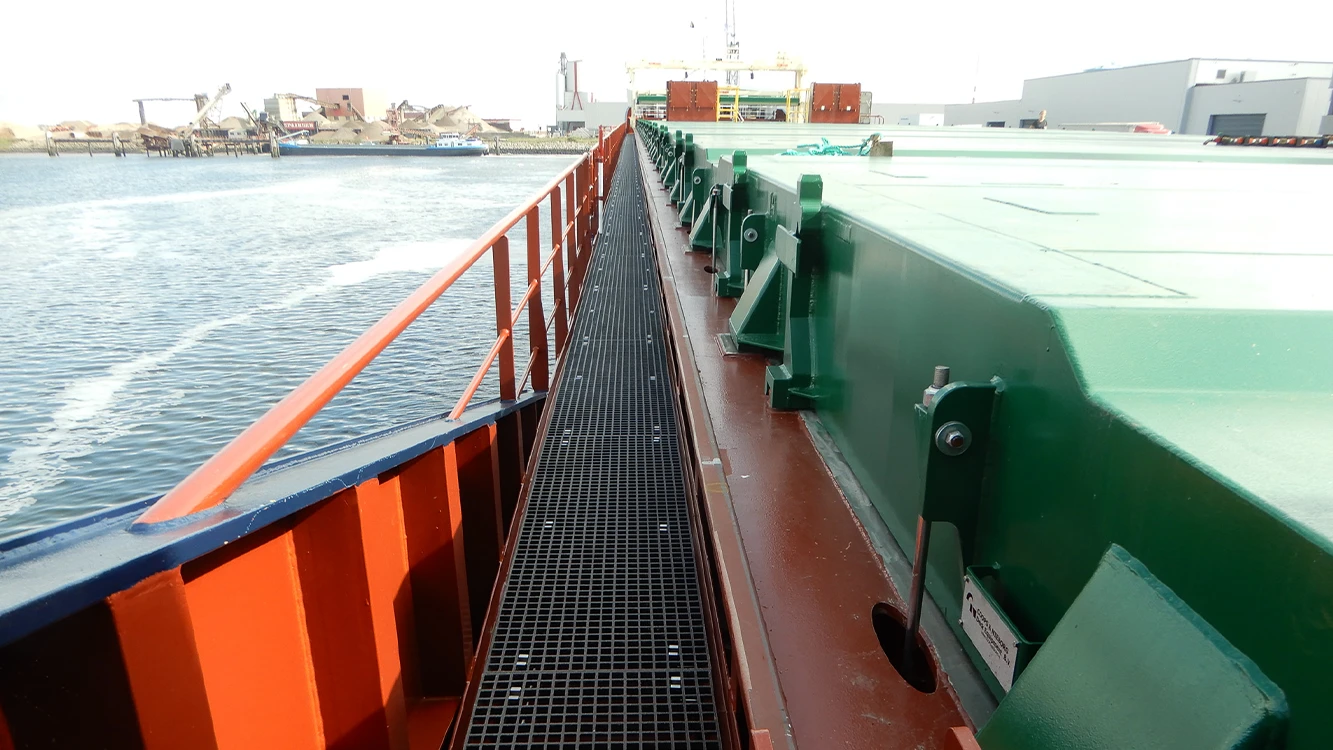
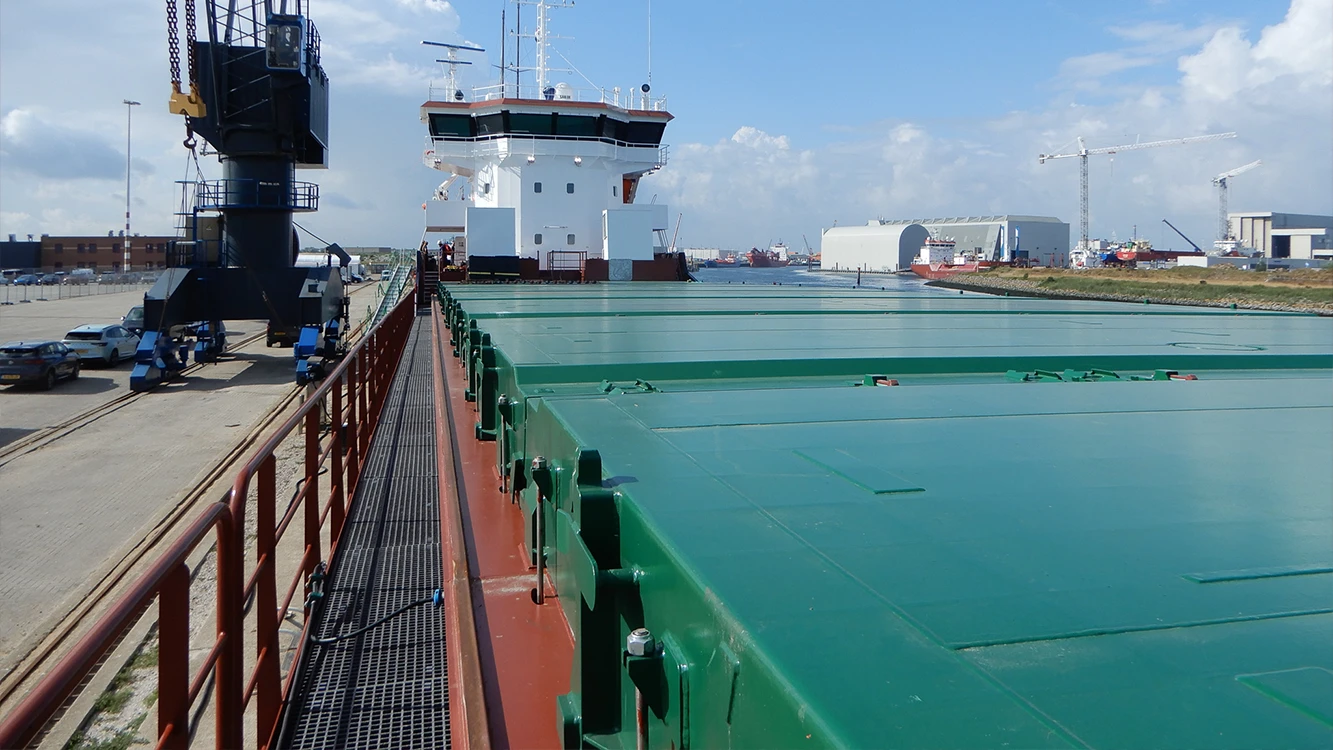
The walkway decks are essential working and access areas for a vessel’s crew, making dependable underfoot safety particularly important.
Exposed to changing weather, water and the wider marine environment, walkway materials need to provide reliable slip resistance while withstanding conditions that can accelerate the deterioration of conventional materials.
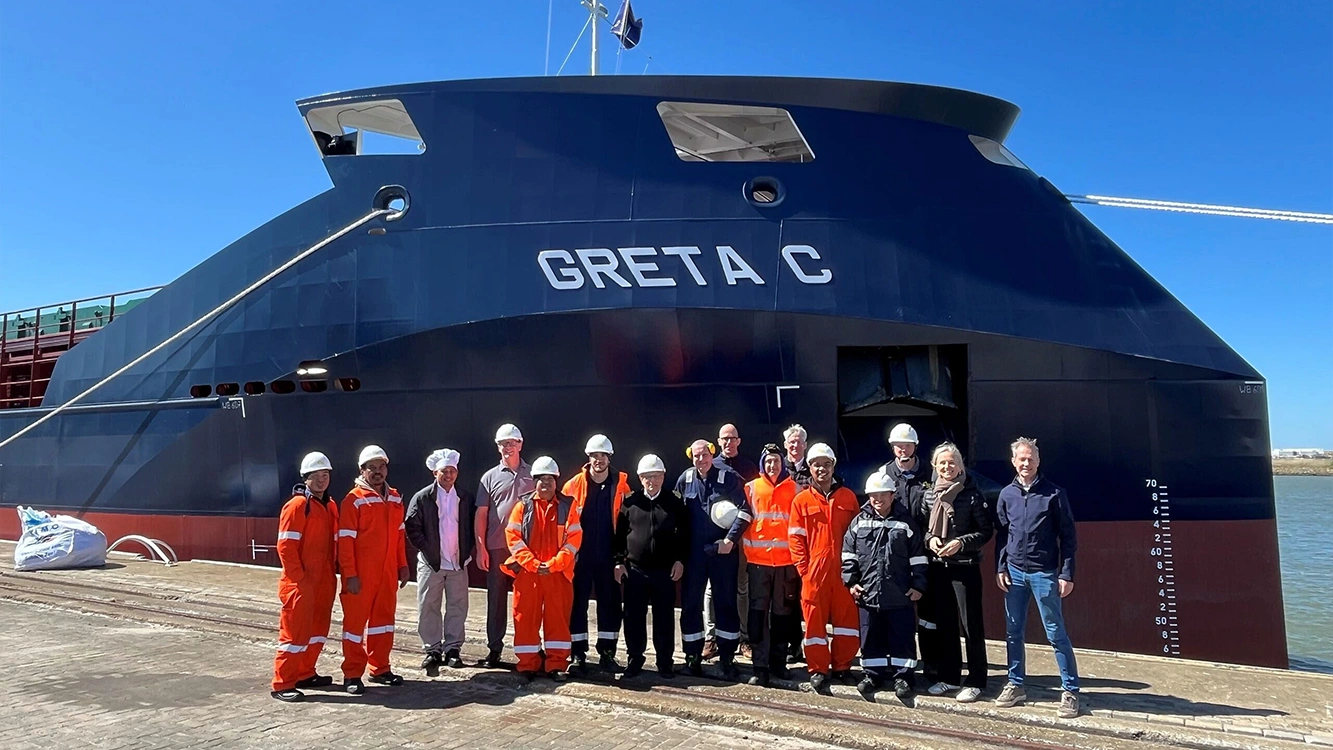
For Greta C and Heleen C, safety and slip resistance were therefore fundamental specification criteria.
As completely new vessels, there was no existing walkway solution to replace. Instead, the shipbuilder and project team had the opportunity to select a material suited to the long-term operational requirements of the vessels from the outset.
As Dura Composites’ exclusive commercial distributor across Belgium, the Netherlands and Luxembourg, BFF Trading played an important role in bringing the d² Dura Grating solution to the project.
Working with Products4Ships and Royal T Shipyards, BFF Trading supported the product selection process by providing access to Dura’s technical product information and performance data, helping demonstrate the suitability of d² Dura Grating for the vessels’ side-deck walkways.
d² Dura Grating was selected for its combination of proven slip-resistant performance, corrosion-resistant construction, comprehensive supporting technical data and lower embodied carbon.
376m² of Purpose-Cut d² Dura Grating
Each vessel required 188m² of 38mm d² Dura Grating, creating a combined installation of 376m² across Greta C and Heleen C.
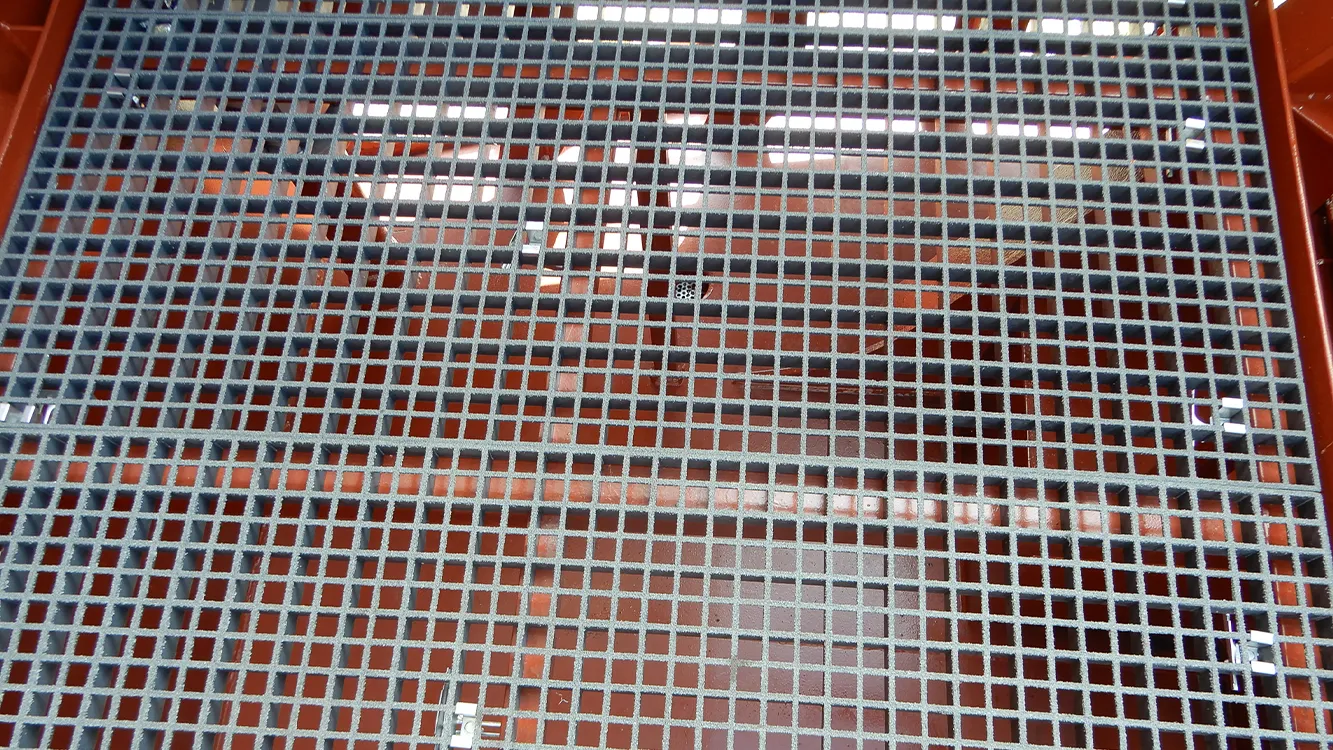
Supplied in Dark Grey Standard Mesh, the panels were cut to size for the side-deck walkway areas before being incorporated into the vessels by Royal T Shipyards.
At just 13.2kg/m², 38mm d² Dura Grating provides a lightweight alternative to traditional walkway materials while delivering the structural performance required for demanding access applications.
For commercial vessels expected to spend their working lives in demanding marine conditions, this combination of low weight, corrosion resistance, durability and maintainability helps reduce unnecessary maintenance intervention while providing dependable access for crew.
Proven Slip Resistance for Crew Safety
Slip resistance was one of the principal requirements identified during product selection.
The gritted surface of d² Dura Grating has been independently tested in accordance with BS 7976-2, demonstrating low slip potential in both wet and dry conditions.
Crucially for a working walkway, the testing also considers how that performance changes through repeated use. d² Dura Grating retains approximately 95% of its slip resistance after more than one million footfalls, providing evidence of long-term surface.
This independently tested performance gave the project team clear technical evidence to support the specification of the material for side-deck areas regularly exposed to moisture and changing weather conditions.
Supporting Lower-Carbon Vessel Design
Environmental performance was also an important consideration in the product selection.
d² Dura Grating has been re-engineered to use material more efficiently than conventional GRP grating. The Standard Mesh range uses 33% less material and embodied carbon than comparable competitor standard mesh GRP grating, while retaining the safety and structural performance required for demanding walkway applications.
This approach complemented the wider ambitions behind the LABRAX 7680 series, where Royal T Shipyards has combined an established vessel concept with advanced power management to improve operational efficiency and reduce fuel consumption and emissions.
By considering both operational performance and the materials incorporated into the vessels themselves, Greta C and Heleen C demonstrate how environmental improvements can be considered across multiple aspects of modern commercial shipbuilding.
As Greta C and Heleen C begin their working lives, the walkways will provide their crews with safe, durable and corrosion-resistant access while supporting the vessels’ wider focus on efficient, lower-maintenance and more environmentally conscious operation.