Why is GRP used in the construction industry?
Alongside its strength-to-weight ratio, GRP is non-conductive, making it safe around electrical equipment. It’s also corrosion-resistant, making it suitable for conditions where there may be harsh chemicals present.
Because GRP is more flexible than many traditional materials, it can be moulded into complex shapes.
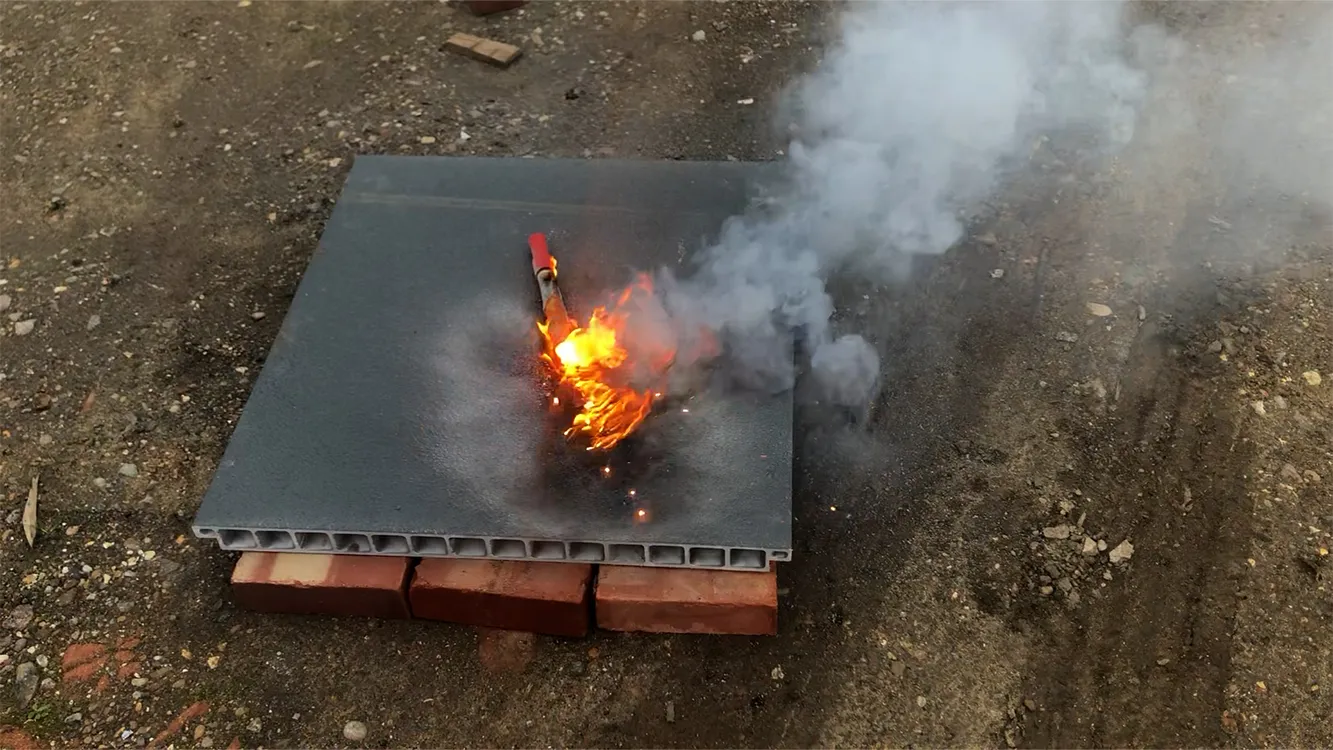
Its fire-resistance is another key reason behind its popularity. The resin matrix we use in our own GRP does not support combustion, and is therefore suitable for a wide range of environments and applications. GRP can also be manufactured using phenolic resins, delivering enhanced fire performance and low-smoke, low-toxicity properties for safety-critical environments. It’s important to remember that the level of fire resistance may vary between suppliers, due to the type and quality of material used, so do your research carefully.
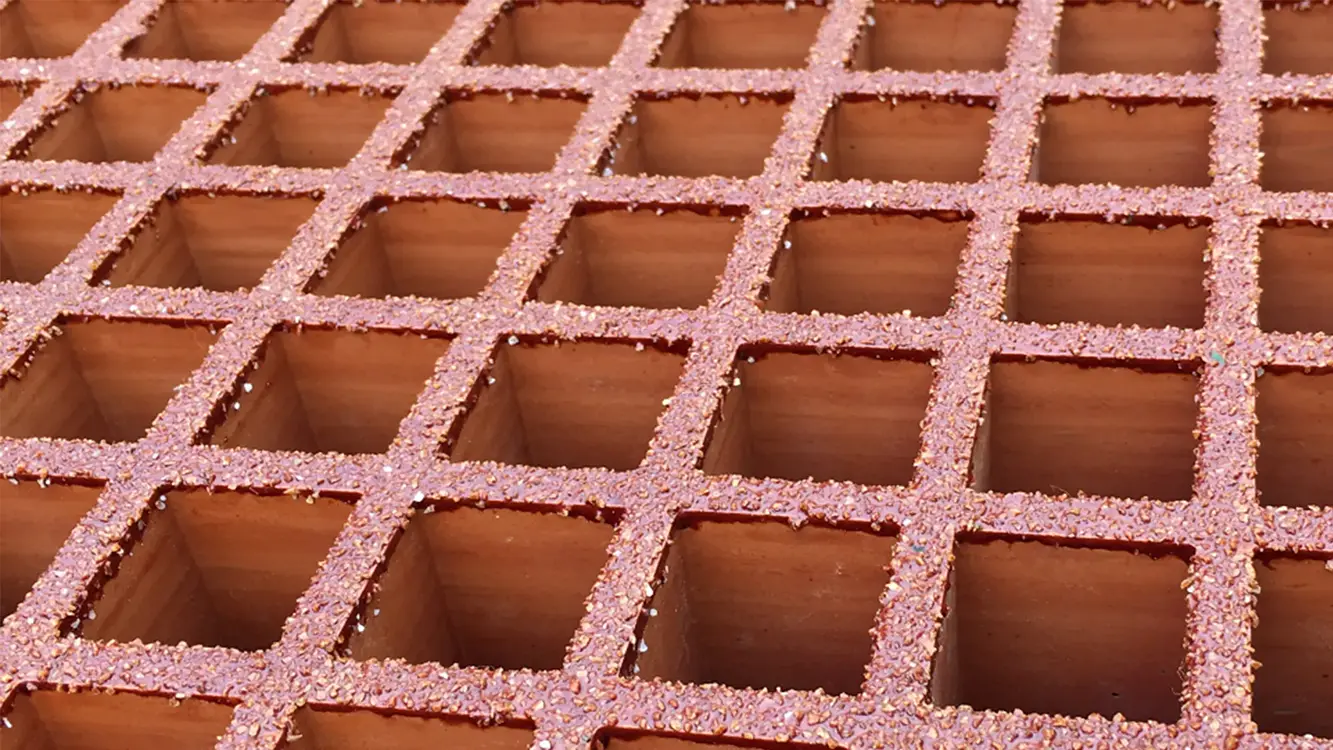
GRP can be manufactured with anti-slip surfaces, making it particularly valuable in environments where strict health and safety standards apply. This added feature provides extra protection against slips and falls, ensuring safer access in challenging conditions.
Combine this with its sustainability credentials, and it’s easy to see why this low-maintenance, cost-effective material is so commonly used.
What is GRP used for in construction?
Because GRP is so versatile, its uses are varied.
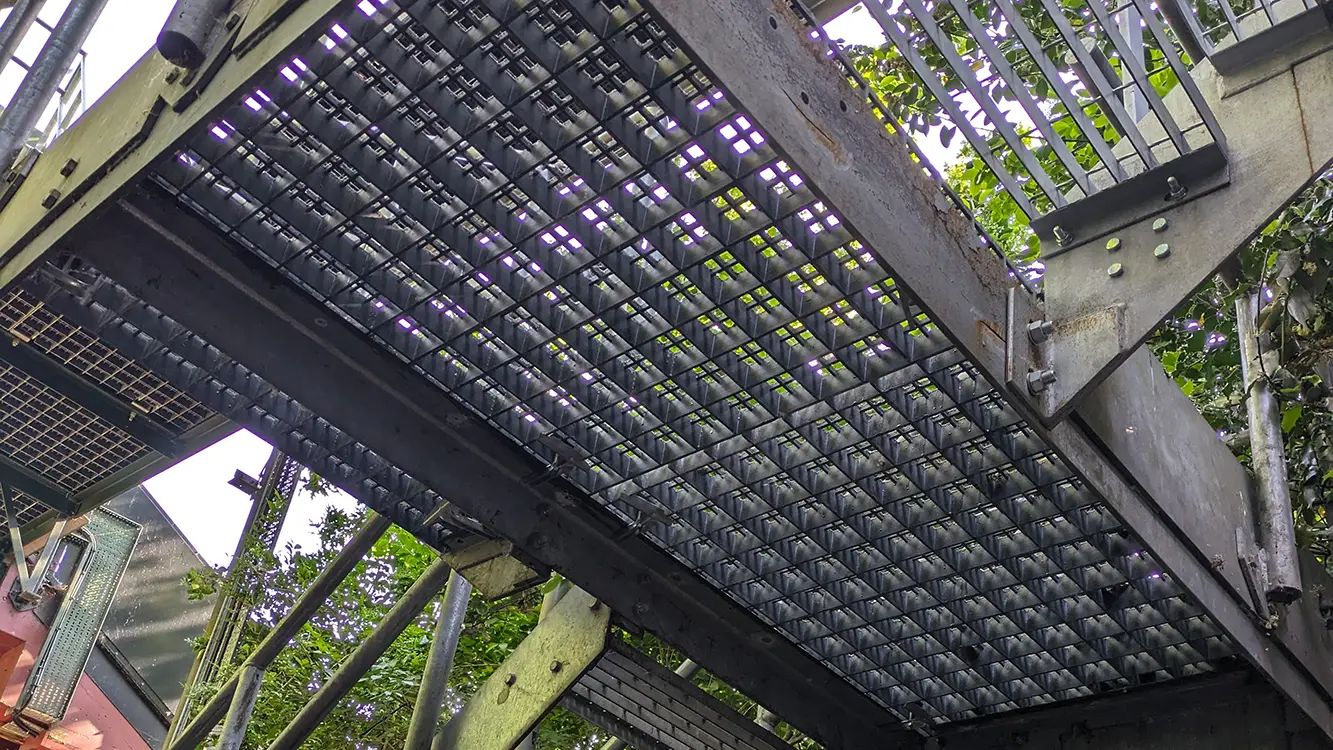
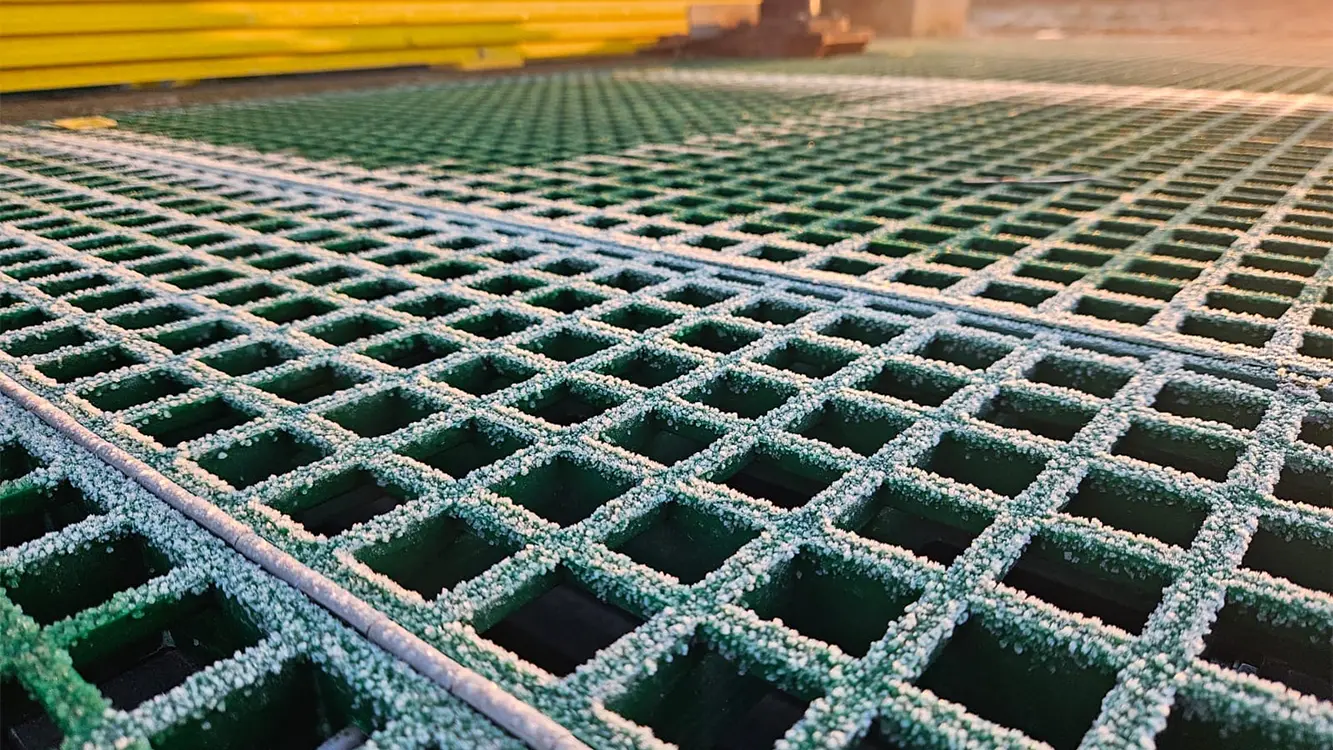
GRP is frequently used for flooring in construction environments. GRP grating is widely used for all types of walkways, with its impressive slip-resistance making it much more ideal for wet, oily, or adverse weather conditions than wood or steel.
GRP is also often the first choice for structural components, like access structures, stair treads and even handrailing.
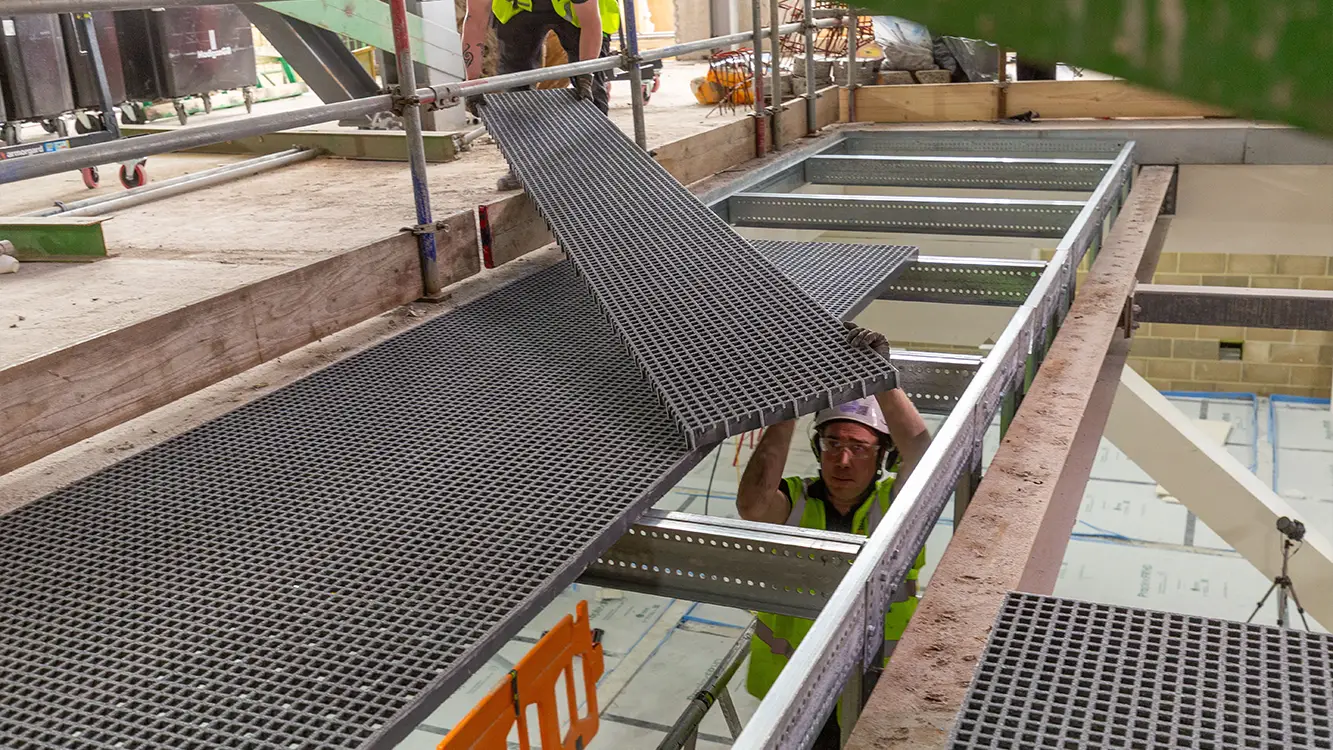
Riser void solutions are another popular use of GRP in construction. The ability to create an especially small open mesh area helps to ensure objects don’t fall and injure workers on lower levels, and the light weight means they can be cut to exact size in situ.
GRP riser void solutions are a key component in modern high-rise construction. The lightweight nature of the GRP flooring panels allows for precise on-site cutting without hot works, while the use of micro or mini mesh profiles ensures compliance with BS 4592 and BS EN ISO 14122 ball fall standards, preventing tools or debris from falling through and endangering workers below. By integrating permanent riser flooring during the concrete pour stage, the system can eliminate the need for temporary protection and significantly reduce fall risk. This approach supports safer sequencing, lower manual handling requirements, and long-term compliance with HSE regulations.
GRP has fast become the go-to material in construction thanks to its unique blend of strength, safety, versatility, and cost-effectiveness. From flooring and walkways to handrails and riser void solutions, its wide range of applications highlights just how adaptable it is compared to traditional materials.
At Dura Composites, we’re experienced in providing GRP solutions for construction projects. Why not browse through our most recent projects.