Will aluminium rust in water?
Aluminium doesn’t rust like steel, but it can corrode in certain environments. For example, chloride ions in saltwater can attack the oxide layer, leading to pitting corrosion. Similarly, highly acidic or alkaline conditions may damage the protective film.
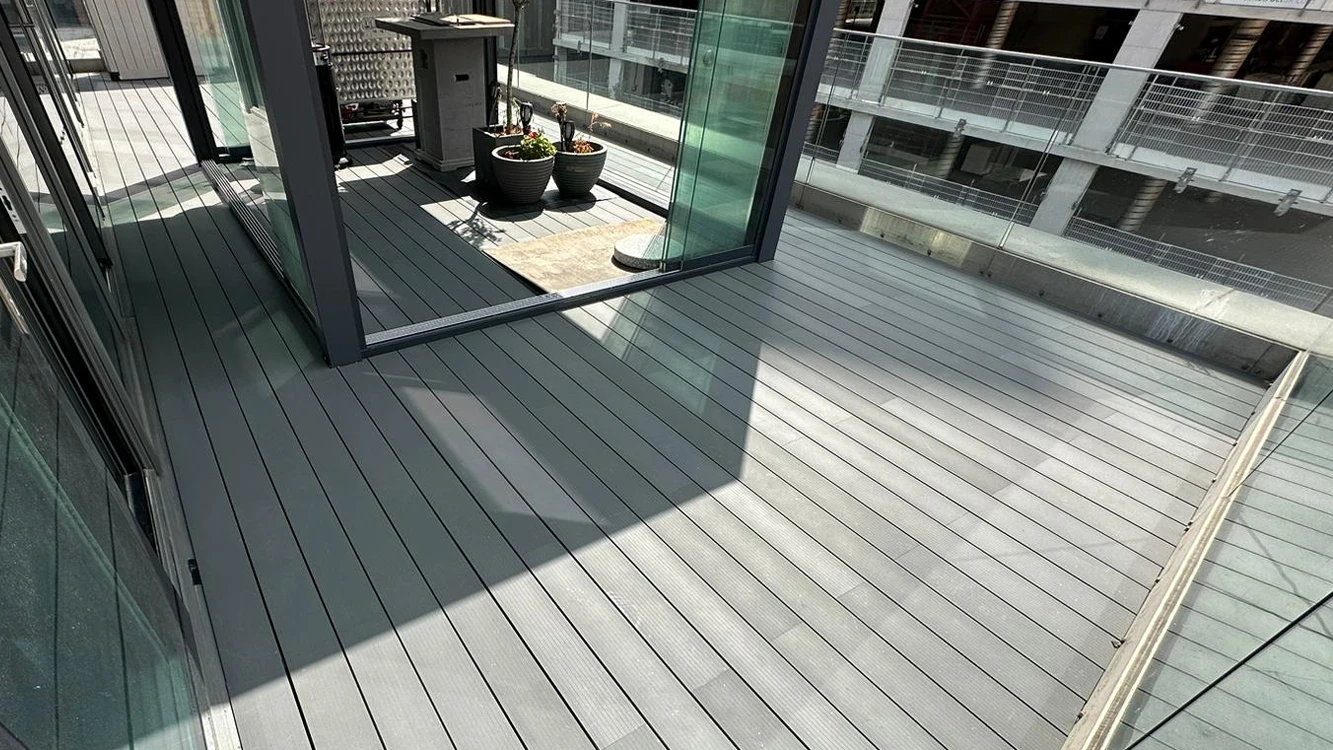
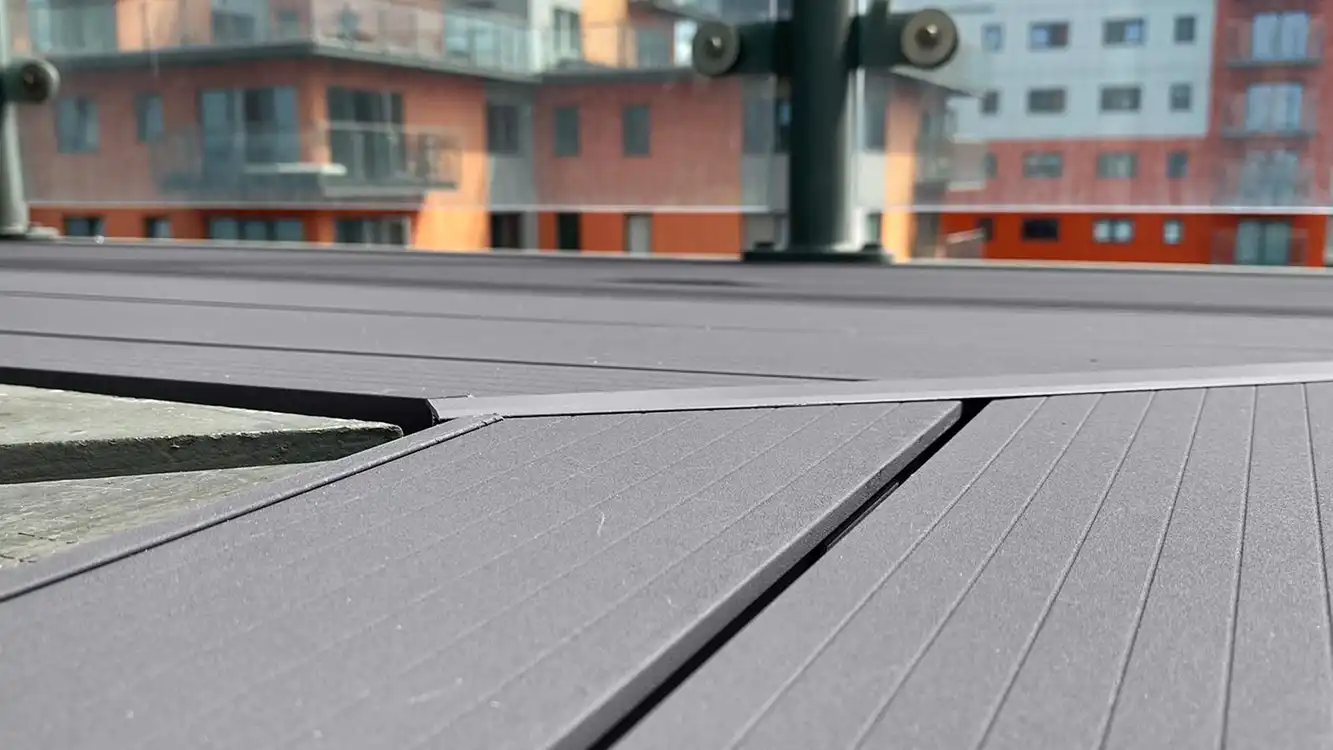
That said, in residential and commercial applications such as high-rise flats or roof terraces, aluminium decking offers reliable protection. Its resistance to water ingress helps safeguard the substructure beneath, prolonging lifespan and reducing maintenance costs.
Enhanced Protection Through Coatings
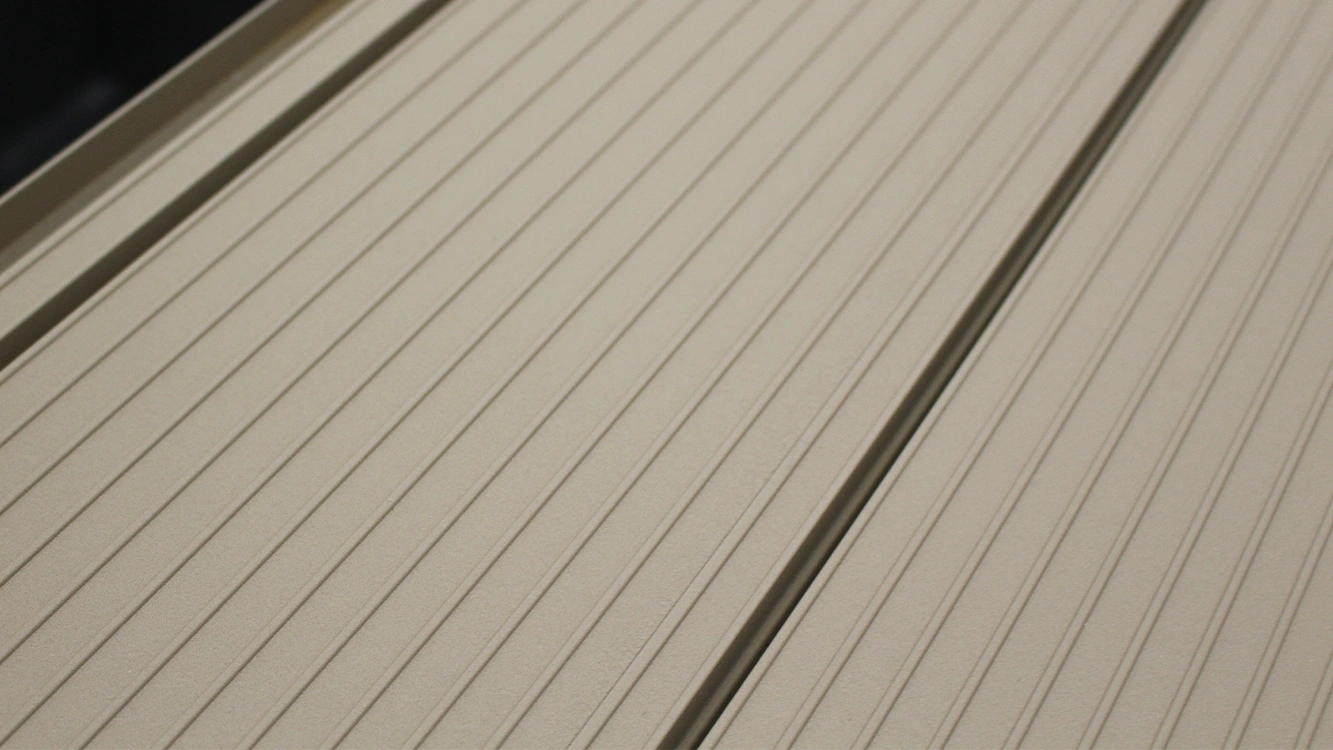
To further strengthen aluminium’s resilience, specialist exterior-grade coatings can be applied (as in the case of our d² Dura Deck Aluminium products). These advanced powder coatings provide a robust shield against water immersion, humidity, and salt spray, ensuring a long-lasting anti-slip finish and colour stability even in demanding outdoor environments.
By combining aluminium’s natural corrosion resistance with a high-performance coating, decking systems achieve exceptional durability and aesthetic longevity, making them suitable for both everyday use and challenging conditions.
Consider drainage
Even with aluminium’s water resistant qualities and added protection from coatings, drainage remains an essential design consideration.
Effective drainage prevents standing water from accumulating, keeping the surface free from slip hazards. Depending on the application of your decking, it may also be a regulatory requirement.
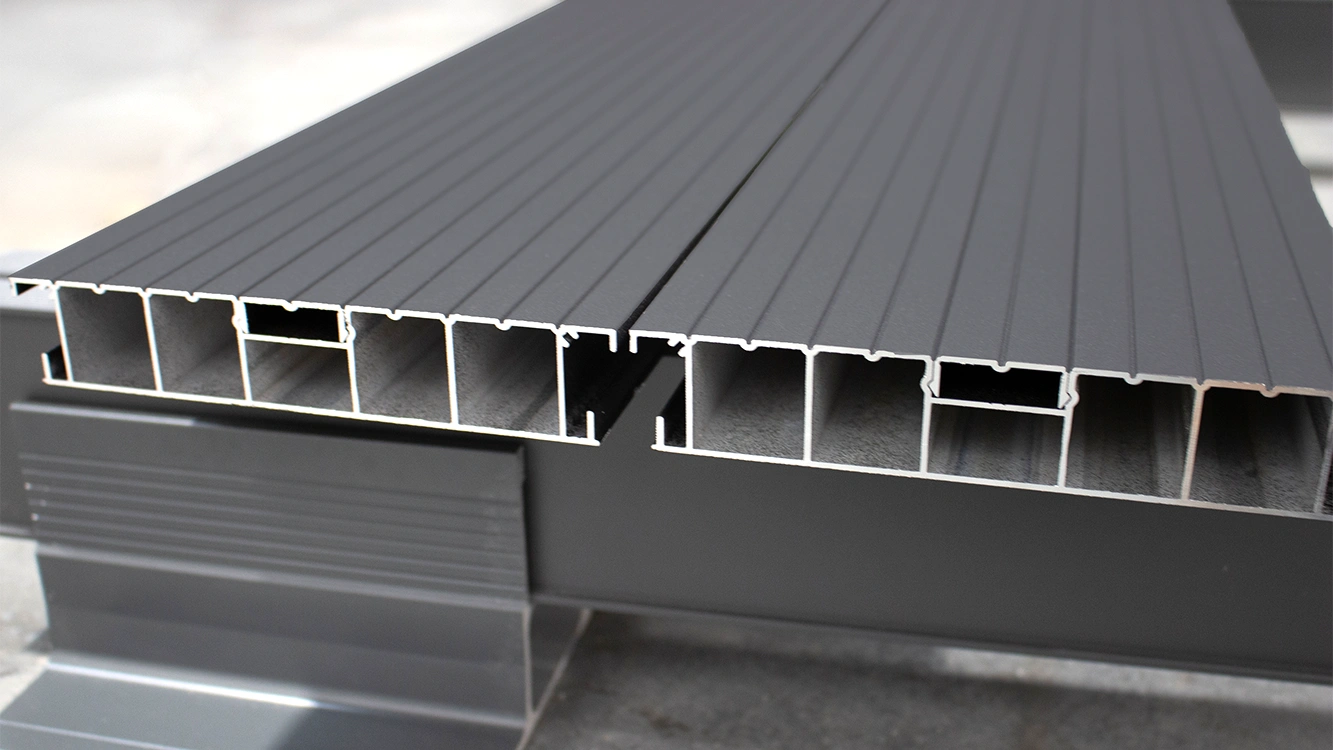
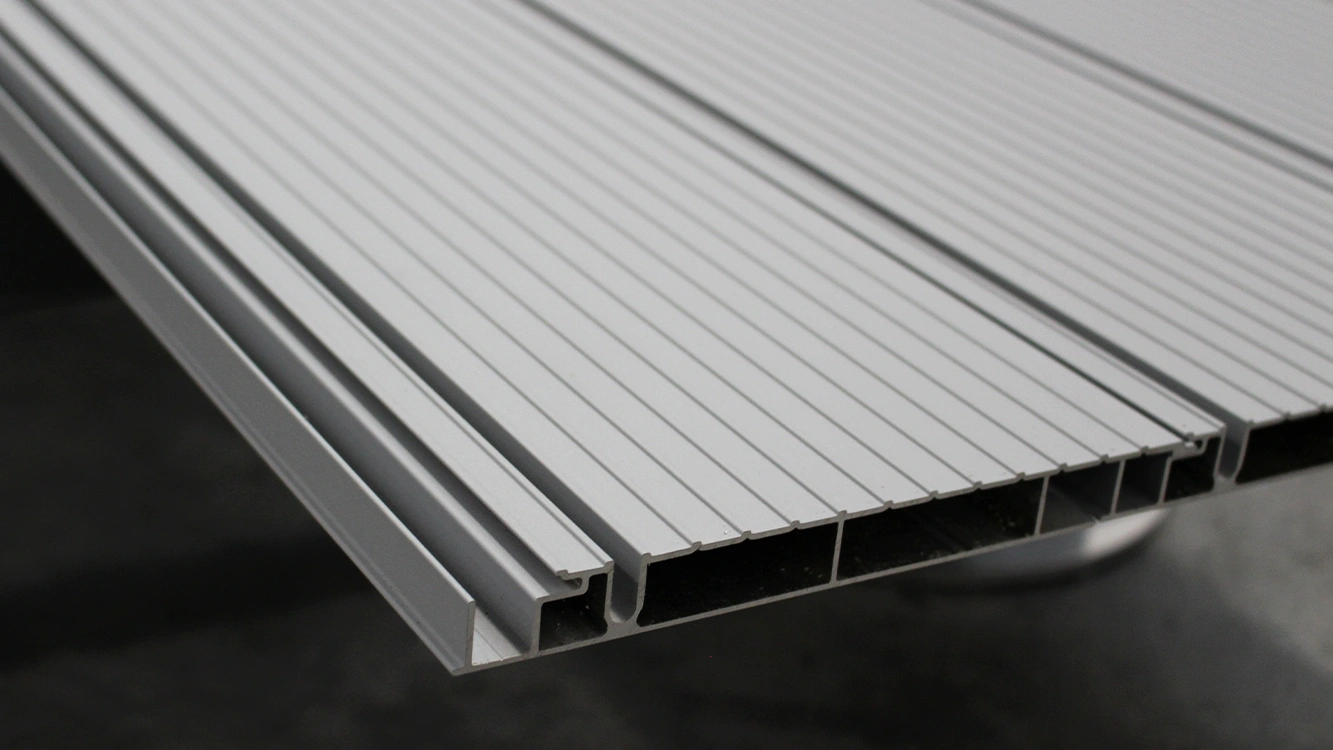
At Dura we have both aluminium decking with either an in-built drainage channel (which guides rainwater towards a gutter), or a free drainage system (where water drains through the gaps between the planks) to choose from.
Our latest Dual Drainage Aluminium Decking known as d² Quickspan goes one step further. Thanks to its innovative, patent-pending design (UK Patent Application No. 2502771.5), it can operate in either mode without any board modifications, ideal for any projects where your drainage requirements may evolve over time.